Is Homemade Dog Food Safe for a Cavalier King Charles Spaniel?
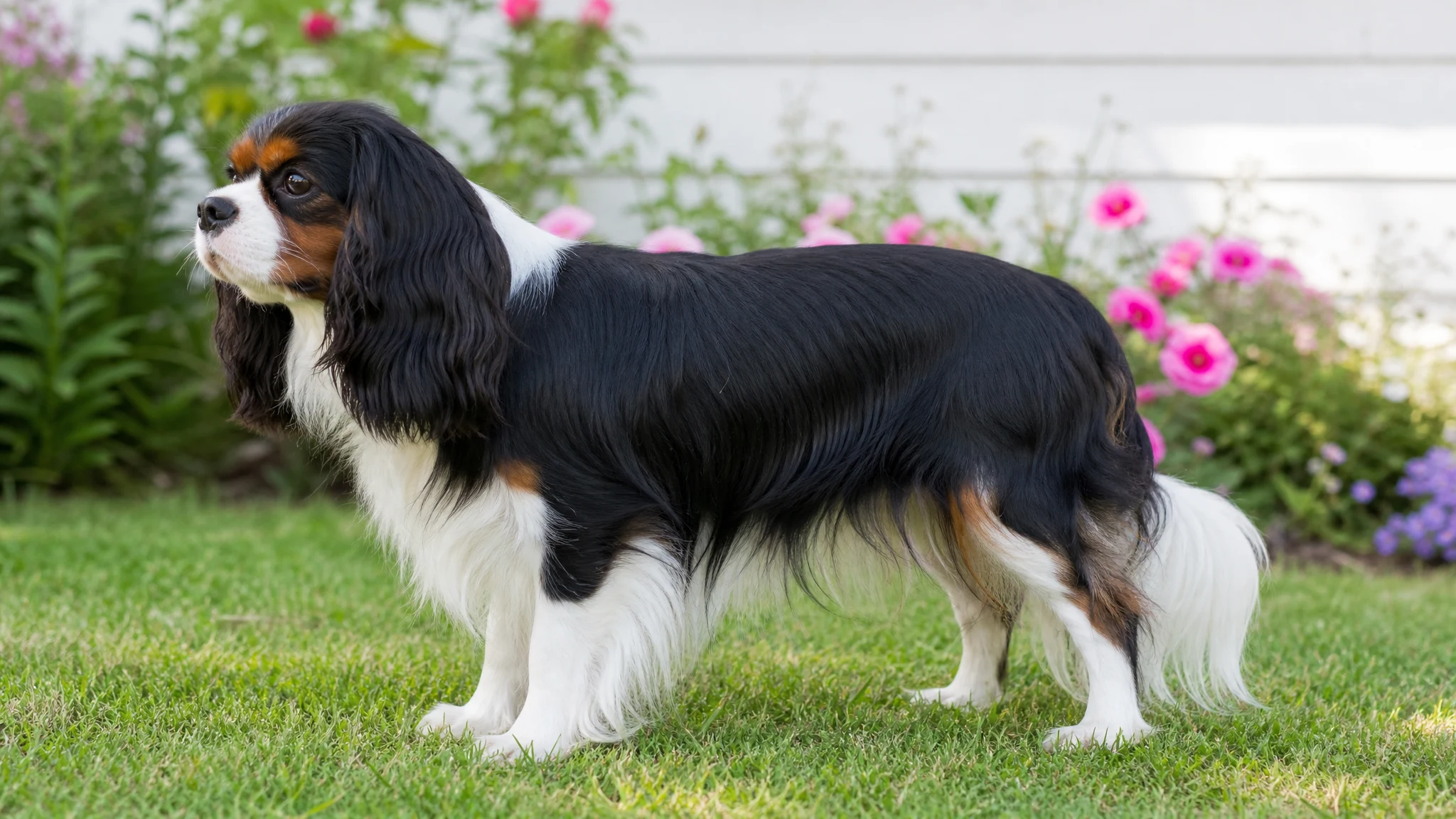
General nutrition information compiled from product labels and published sources, not veterinary advice. Your veterinarian is the right person to choose a diet for your dog, especially one with a health condition.
Homemade food for a Cavalier King Charles Spaniel can be done safely, but it is not a casual kitchen project. The risk is not the cooking. The risk is a meal plan that looks healthy to a person and is missing something a dog needs, week after week.
This guide walks through how to approach homemade meals step by step. It covers what you need before you start, the mistakes that cause trouble, and what results are reasonable to expect. It does not give a recipe, because a safe recipe has to be built for your individual dog.
Short answer: it depends on the plan, not the idea
A homemade diet is only as safe as its recipe. Commercial foods carry an AAFCO nutritional adequacy statement on the label. That statement says the food was formulated to meet, or tested against, established nutrient profiles. A pot of chicken and rice has no such statement. It is simply food, and it may or may not cover everything a dog needs over months and years.
Cavaliers add a few reasons to be careful. Here is what the breed sources say:
- WebMD describes mitral valve disease (MVD), a heart condition, as the most common health condition in the breed.
- CavalierHealth.org, a breed-health advocacy site, says Cavaliers are over twenty times more likely to develop MVD than other breeds.
- The CavalierHealth.org diets page describes the breed as predisposed to obesity, citing a 1986 UK study. That is a secondary source, so treat it as a reason to watch weight rather than a firm figure.
Food does not prevent or treat heart disease. Still, sodium and body weight are common topics when a veterinarian discusses a heart-affected dog. Diet decisions for a Cavalier are best made with your own veterinarian, especially if your dog has any heart finding.
What you need before you start
Think of these as your materials. Gather them first.
- Your dog's current weight and body condition. Adult Cavaliers are small. WebMD lists 13 to 18 pounds and 12 to 13 inches tall, and the Westminster Kennel Club lists a maximum of 18 pounds.
- Your dog's life stage. Puppy, adult and senior dogs have different needs.
- Your dog's health history, including any heart murmur, MVD diagnosis, allergies or digestive problems.
- A veterinarian willing to review the plan. Ask whether they can refer you to a board-certified veterinary nutritionist.
- A kitchen scale. Cups are imprecise for a dog this small.
- A notebook or phone log for weight checks, stool quality and appetite.
You do not need to buy specific ingredients yet. The ingredient list comes from the recipe your vet or nutritionist helps you build.
Step-by-step: how to approach homemade meals safely
Step 1: Decide why you want to cook
Common reasons include a picky eater, ingredient concerns or wanting more control. Write yours down. Some goals can be met without cooking at all. For example, a fresh or small-breed commercial food may solve the problem. The sections below compare a few options by label data.
Step 2: Talk to your veterinarian first
Bring your dog's age, weight, current food and any health history. Ask directly whether homemade feeding makes sense for this dog. A dog with a heart diagnosis, kidney trouble or food sensitivities may need a very specific plan. Some of those plans are prescription diets, which only a veterinarian can prescribe.
Step 3: Get a complete recipe written for your dog
This is the step most people skip, and it matters most. A balanced homemade plan should specify the exact ingredients, the amounts by weight, and a vitamin and mineral component to fill the gaps that plain food leaves. Ask your vet or a veterinary nutritionist to supply or review it.
Do not add supplements by guesswork. The amounts depend on the recipe and the dog, so they should come from the professional who wrote the plan.
Step 4: Work out calories for a small dog
Vetstreet notes that small dogs usually need more calories per pound than large dogs. It also says they may do better with calorie-dense food or several small meals. At the same time, a Cavalier gains weight easily, so there is not much room for error in either direction.
Ask your vet for a daily calorie target. Then have the recipe's calories calculated per gram, so you can weigh each portion on the scale.
Step 5: Follow the recipe exactly
Weigh every ingredient. Cook meat thoroughly and keep raw and cooked items separate. Wash hands, boards and bowls. Store portions the way your vet or nutritionist advises. If you want to change an ingredient, ask first. Swapping one protein or vegetable for another can change the nutrient balance.
Step 6: Transition slowly
Hill's, for example, suggests moving between foods over about 7 days on its Small & Mini adult page. That is a reasonable pattern for any change. Mix a little of the new food into the old, and increase it gradually. Watch for loose stools, vomiting or refusal to eat.
Step 7: Track weight and condition
Weigh your dog on the same scale at regular intervals and log the numbers. Check body condition too. Share the log at vet visits so the plan can be adjusted. Because of the breed's reported tendency toward obesity, small creeping gains are worth catching early.
Step 8: Re-check the plan as your dog changes
Puppies grow, adults settle and seniors change. Vetstreet says small dogs can generally move to adult food at about 90 percent of adult weight, typically around 9 to 12 months. That is general small-dog guidance, not Cavalier-specific, so confirm the timing with your veterinarian. A recipe built for a growing puppy is not the right recipe for an adult.
Common mistakes to avoid
- Feeding plain meat and rice long term. It may be fine for a short, vet-advised bland-diet period. As a full diet it is unlikely to be complete.
- Using an online recipe not written for your dog. A recipe made for a large or healthy dog may not suit a small dog or one with a heart condition.
- Eyeballing portions. A few extra spoonfuls a day is a larger share of the diet for a 15-pound dog than for a 60-pound one.
- Adding toxic foods. Onions, garlic, grapes, raisins, chocolate and anything sweetened with xylitol are commonly listed as unsafe for dogs. Ask your vet for the full list and keep scraps out of the bowl.
- Heavy seasoning and salt. Because MVD is common in the breed, ask your vet about sodium rather than guessing.
- Letting treats pile up. Treats and table scraps count toward daily calories.
- Assuming homemade means healthier. It may be, if the recipe is sound. Marketing language about fresh or natural food does not replace a balanced formula.
- Chasing a grain-free label out of fear. The FDA has investigated a possible link between certain diets and canine dilated cardiomyopathy (DCM). Its page was last updated December 23, 2022, and the agency said it would not post further public updates until there is meaningful new scientific information. Its figures cover January 1, 2014 through April 30, 2019: 524 reports, 560 dogs affected and 119 dog deaths. The FDA has not established a cause, so discuss any diet choice with your veterinarian rather than reacting to headlines.
If you decide not to cook: how label data compares
Homemade is not the only way to get a diet you feel good about. We compared label data from each brand's own page. We did not run feeding trials or taste tests, so this table shows what the labels say, not how a dog performed.
| Food | Type | AAFCO life-stage statement (per brand page) | Calories (per brand page) |
|---|---|---|---|
| Royal Canin Cavalier King Charles Adult | Dry | Adult maintenance | 339 kcal ME per cup (calculated) |
| Hill's Science Diet Adult Small & Mini Chicken & Brown Rice | Dry | Adult maintenance, substantiated by feeding tests | 357 kcal per cup |
| Freshpet Small Dog Bite Size Chicken Recipe | Fresh | All life stages except growth of large-size dogs | 267 kcal per cup (calculated) |
| VICTOR Hi-Pro Plus Small Breed Adult | Dry | All life stages except growth of large-size dogs | 360 kcal per cup |
A few label notes help when you read these. Royal Canin's Cavalier adult formula lists brewers rice, wheat gluten, chicken by-product meal, corn and chicken fat as its first five ingredients, with minimum protein of 25 percent and minimum fat of 12 percent. Freshpet lists chicken, chicken liver, carrots, cranberries and eggs first, and it is labeled grain free. VICTOR lists beef, chicken meal, beef meal, brown rice and whole grain millet first, with minimum protein of 30 percent and minimum fat of 14 percent.
Each brand also publishes a feeding guide. Treat those amounts as starting points and adjust with your vet based on your dog's weight and activity. For current ingredients and guides, check the brand pages for Royal Canin Cavalier King Charles Adult, Hill's Science Diet Adult Small & Mini, Freshpet Small Dog Bite Size and VICTOR Hi-Pro Plus Small Breed Adult.
For a broader look at what matters when choosing any diet for the breed, see our guide to Cavalier King Charles Spaniel nutrition and the diet factors.
What results to expect
Results vary by dog, and no diet can promise a particular outcome. If a homemade plan is well designed and followed closely, many owners find that:
- Their dog may show steady interest in meals.
- Body weight may stay stable when portions are weighed and logged.
- Stools may stay consistent once the transition is over.
These are things to monitor, not promises. Homemade food does not prevent, treat or cure mitral valve disease, obesity or any other condition. If your dog has a health concern, your veterinarian decides what diet is appropriate. Contact them if you see weight loss, repeated vomiting, ongoing diarrhea, low energy or changes in breathing.
Bottom line
Homemade food for a Cavalier King Charles Spaniel is safest when it is built from a complete, professionally reviewed recipe, portioned by weight and tracked over time. If that sounds like more than you want to take on, a label-checked commercial food is a reasonable alternative. Either way, involve your veterinarian, especially because heart disease and weight gain are well-documented concerns in the breed.
Sources
- WebMD: What to know about Cavalier King Charles Spaniels
- Westminster Kennel Club: Cavalier King Charles Spaniel breed page
- CavalierHealth.org: Overview
- CavalierHealth.org: Diets
- Vetstreet: Why size matters when transitioning your dog from puppy to adult food
- FDA Center for Veterinary Medicine: Investigation into a potential link between certain diets and canine dilated cardiomyopathy
- Whole Dog Journal: In the fine print, nutritional adequacy statements